The Proximity of Prints
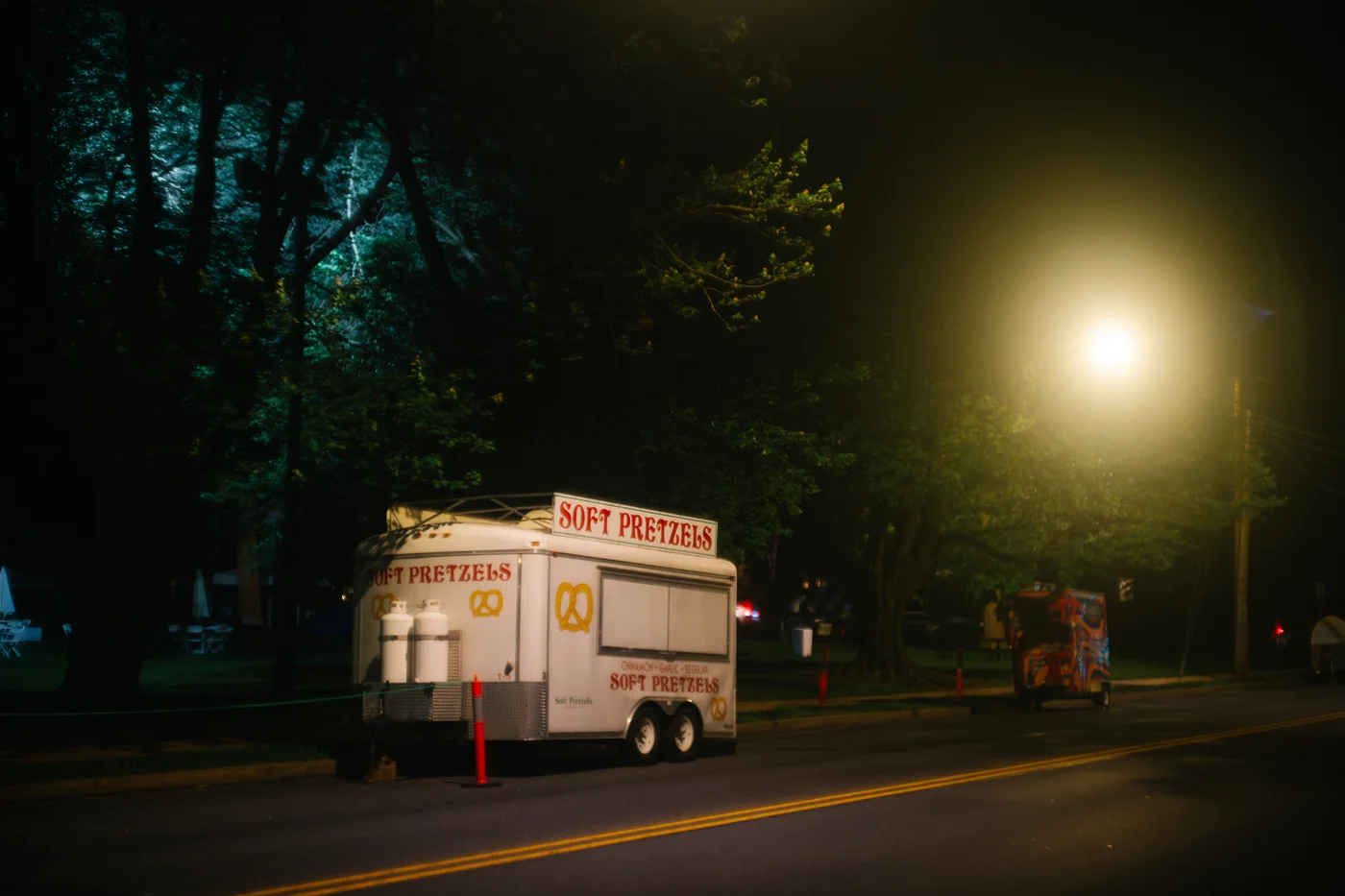
When I graduated from university, the keynote speaker said "Without being proximate to the communities we are working to better, there is no justice."
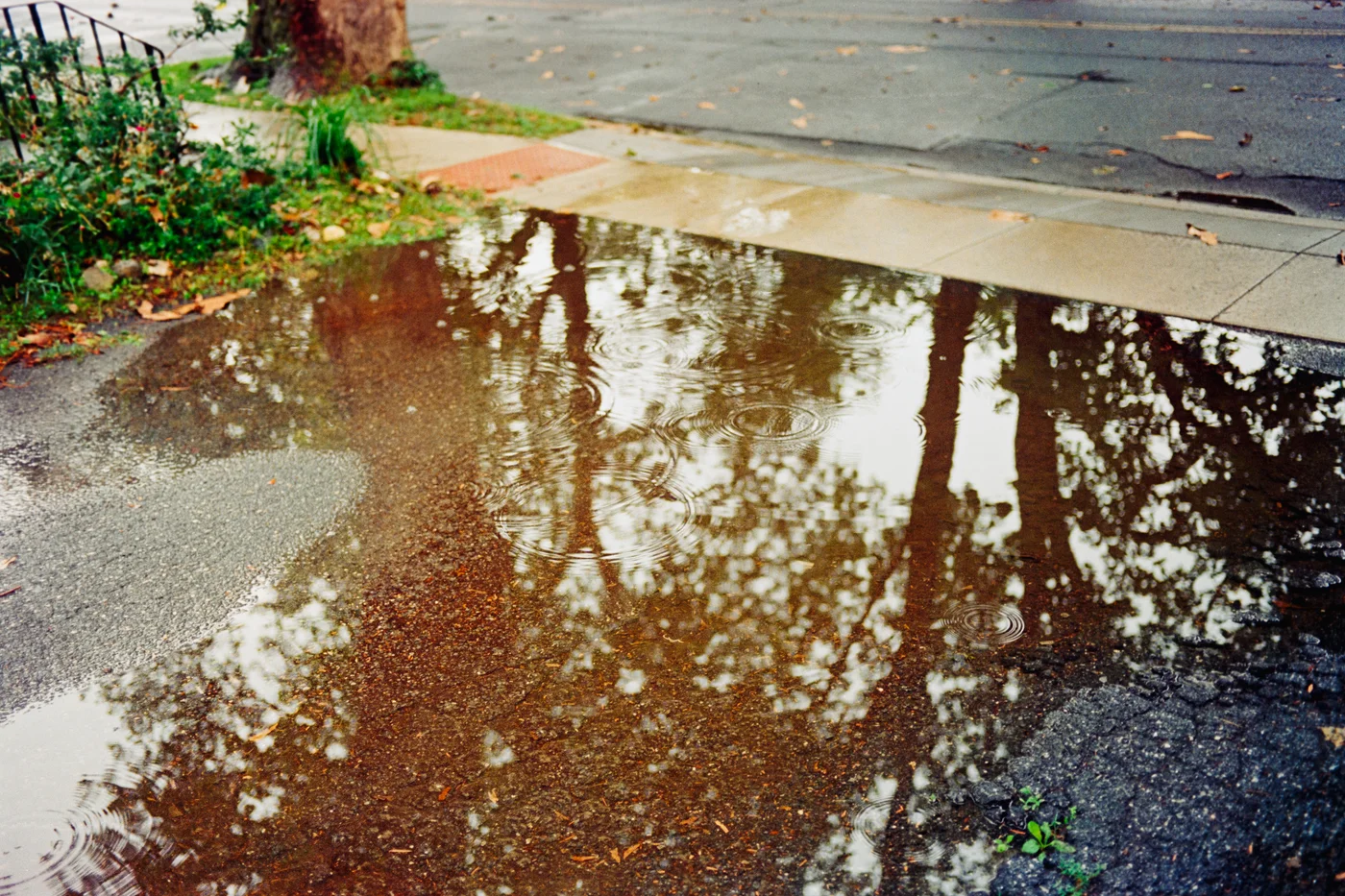
I studied engineering, learning how to build models of systems; marking the deciding line between what gets factored in and what lives as a negative externality. The keynote challenged my utilitarian tendencies which could, under the guise of efficiency, lead me to be behind the scenes in the databases or calculating a optimal safety factor instead of breathing the same air as my neighbors.

I'm watching my profession change in a very small matter of time. Anything that can be database-ized or metric-ized or quant-ized is what has been priorit-ized for the past 45 years in American society. As the marginal value of writing code goes to zero, it asks me to consider where I fit, what I can contribute, and what gives me the opportunity to do truly human endeavors. Luckily, I learned early that most of my job is a truly human endeavor; understanding systematic problems, navigating a changing environment over time, working with people's different intents and dispositions...building software is a lot more than just writing code. Yet still I rise to confront a black mirror each day, detailing out intricacies in systems of a world I'm not living in.
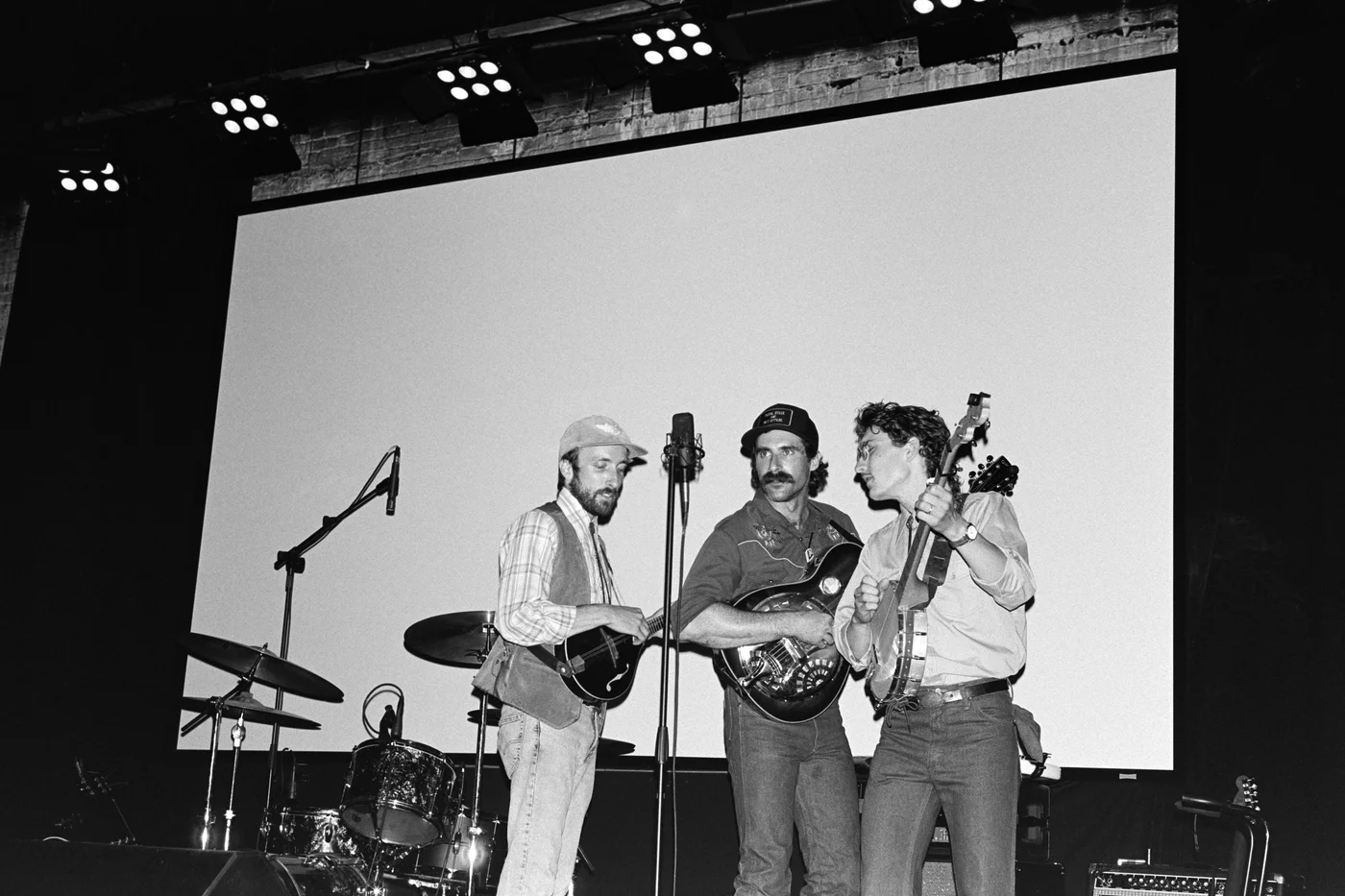
Art and philosophy and empathy and temperance and abundance and justice and stewardship don't metric-ize or systemat-ize. C. Thi Nguyen in The Score highlights that the act of putting outcomes behind metrics inherently separates people from the context that informs them of why they are tracking that very metric. From my engineering point of view, there is an inherent ~incompressibility~ to what makes life lovely to live. The goal of organizing and systematizing data is inherently to reduce the human labor required to keep track of everything we want to understand, and it is quite good at that.
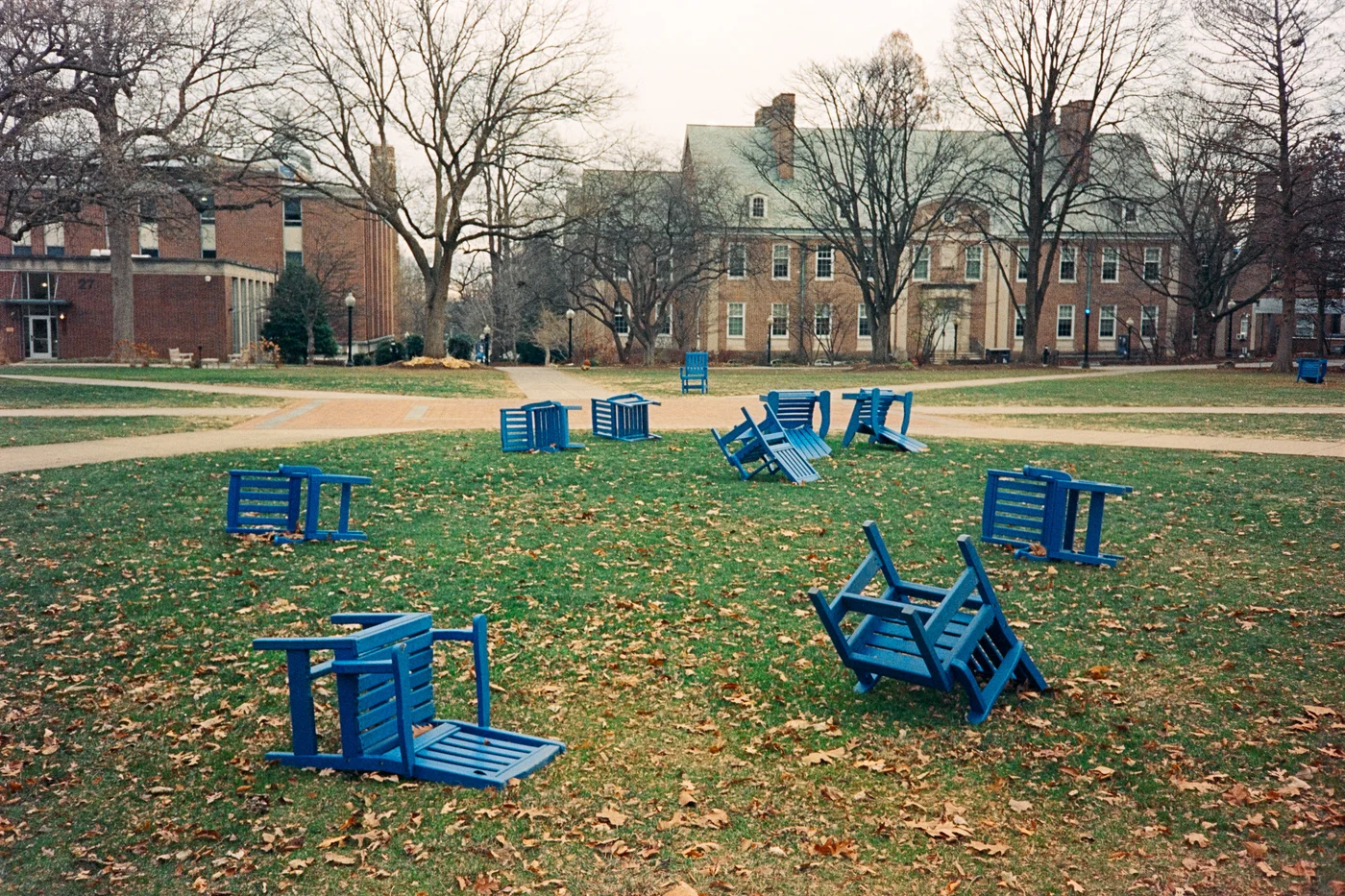
But discernment about how we live together doesn't just require knowledge. So often we forget that correlation doesn't equal causation. Our brain chemistry is trying to hack the thing that humans are uniquely good at, generalization. I only know of one way to combat the folly of an individual with a lot of knowledge. Wisdom.
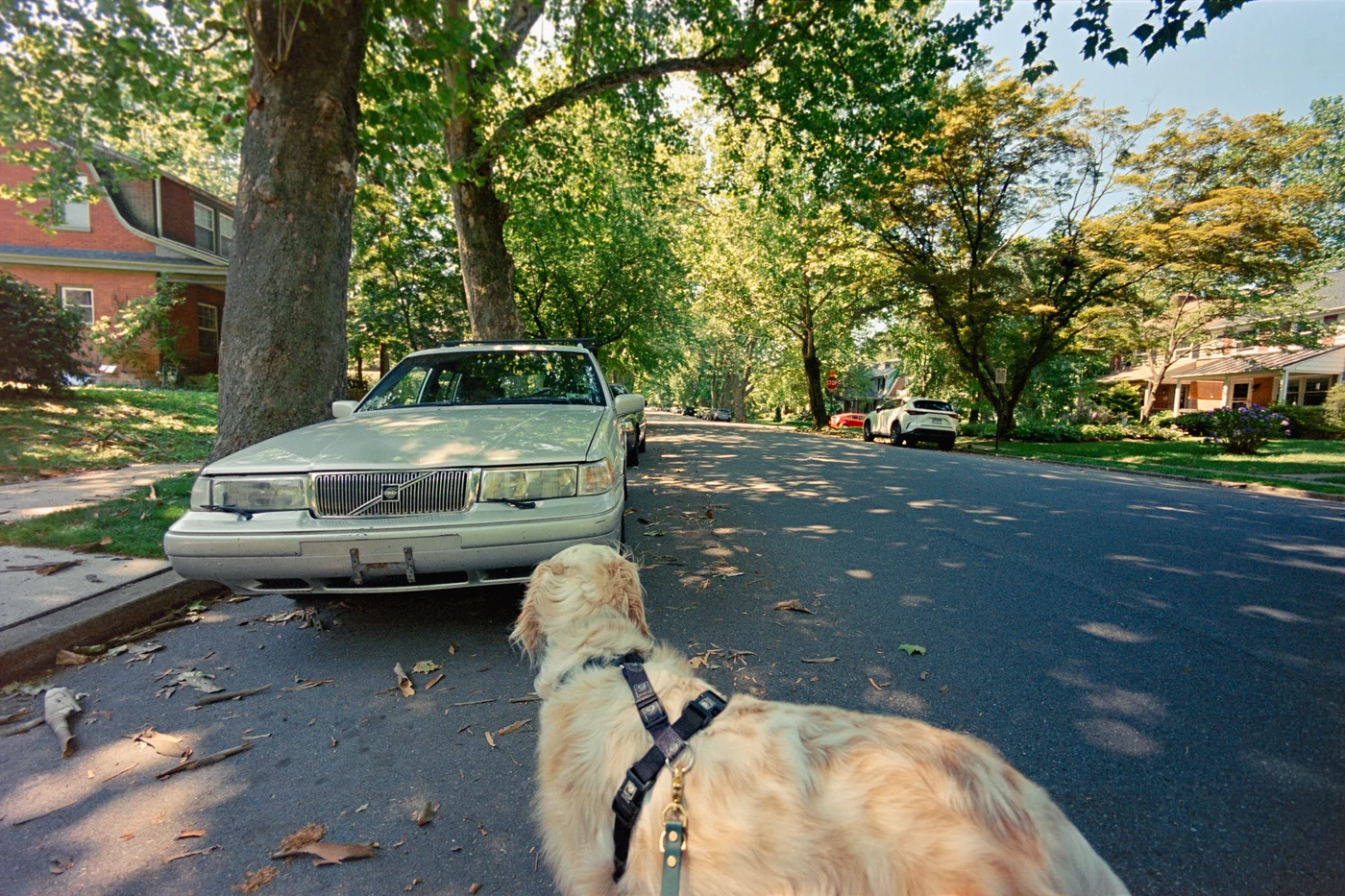
Wisdom is the antithesis to metrics. It is tempered by seeing your actions play out in the real world with real people. Exhibiting photographs requires people to be at the gallery. Your perspective crosses the eyes of a stranger, travels through a cortex of experience you will never live, and lands written across the face of someone encountering you.